
What happened
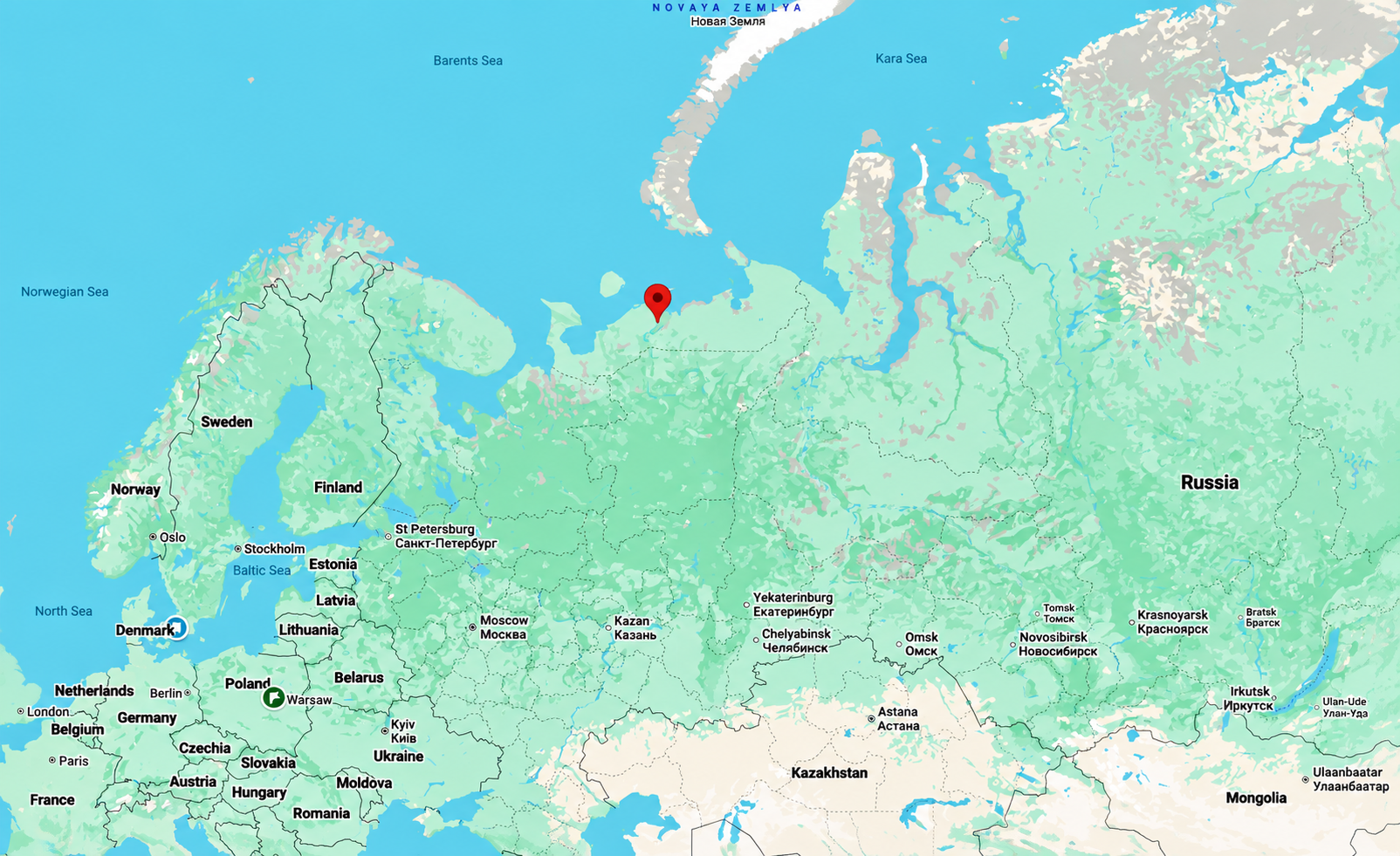
On 19 September 2026, residents of Nelmin-Nos in Russia’s Nenets Autonomous Okrug accessed remote electronic voting using a low-Earth-orbit satellite connection provided by Bureau 1440. The company says its subscriber terminal carried the satellite link and a Yadro KVADRA_T tablet provided access to the voting service. The project was conducted with Russia’s Central Election Commission.
Bureau 1440’s chief executive Alexey Shelobkov said the company had been conducting test connections with prospective users in remote settlements and on railways since August 2026.
Evidence and limitations
The event was reported by Russian outlets citing Bureau 1440, and Russia’s Central Election Commission publicly described the voting test as successful. These are direct institutional statements, but the published accounts do not establish independent measurements of throughput, uptime, coverage or terminal performance. Multiple articles repeating the company’s statement should not be counted as independent technical corroboration.
Confidence: High that the reported demonstration occurred; limited independent evidence of wider network performance.
Assessment
The test provides evidence of a working end-to-end application involving a satellite link, ground terminal and end-user device in a remote location. It does not by itself demonstrate continuous coverage, commercial readiness or military use.
Why it matters
For research into Rassvet’s space-industrial base, this is a milestone in ground-segment integration and service testing. It also identifies user terminals and related manufacturing as relevant parts of the programme to monitor alongside launches, spacecraft and ground infrastructure.
Sources
- CNews, 21 September 2026 — report based on Bureau 1440 statements.
- Vedomosti, 20 September 2026 — contemporaneous reporting.
- Prime, 20 September 2026 — reports the Central Election Commission’s statement.